
HEIDI SPROWLS DDS
CENTERVILLE, OHIO
INVISALIGN CLEAR ORTHODONTICS in Centerville, Ohio
INVISALIGN
Invisalign in Centerville, OH
Straighten Your Smile with Invisalign Clear Aligners
Would you like straighter teeth without the appearance of traditional metal braces? Invisalign clear aligners may offer a discreet and convenient way to improve your smile.
At Heidi Sprowls, DDS, in Centerville, Ohio, we provide Invisalign treatment for appropriate patients who want to address crooked teeth, crowding, gaps and certain bite concerns. Our approach begins with understanding your goals, evaluating your oral health and determining whether clear aligner treatment is right for you.
Using digital scanning technology, we can create detailed digital impressions of your teeth to help plan your treatment. Throughout the process, our team will explain your options, answer your questions and help you understand what to expect.
Whether you are considering Invisalign as an adult or exploring treatment for your teenager, we invite you to learn more about clear aligners at our Centerville dental office.
Ready to explore Invisalign? Contact Heidi Sprowls, DDS, to schedule a consultation and find out whether clear aligner treatment may be appropriate for your smile.
What Is Invisalign?
Invisalign is an orthodontic treatment system that uses a series of custom-made, clear plastic aligners to gradually move teeth into planned positions.
Each aligner is designed to apply controlled forces to selected teeth. As you progress through the series, your teeth gradually move according to your individualized treatment plan.
Unlike traditional braces, Invisalign aligners are removable. This allows you to remove them for meals, drinking beverages other than water, and brushing and flossing your teeth.
Invisalign can be an effective option for many orthodontic concerns, but it is not appropriate for every patient or every bite problem. A dental examination is necessary to determine whether clear aligners can achieve your treatment goals or whether another orthodontic approach would be more suitable.
What Can Invisalign Treat?
Invisalign may help correct a variety of alignment and bite concerns, depending on their severity and your individual dental anatomy.
Crooked and Misaligned Teeth
When teeth overlap, rotate or sit out of alignment, they can affect the appearance of your smile and make some areas more difficult to clean. Invisalign gradually repositions selected teeth to improve alignment.
Crowded Teeth
Crowding occurs when there is insufficient space for teeth to align properly. Depending on the degree of crowding and the available space, clear aligners may help create a more orderly arrangement of the teeth.
Gaps Between Teeth
Spaces between teeth can develop for several reasons. Invisalign may help close appropriate gaps by moving the teeth into planned positions. Your dentist will evaluate the cause and determine whether aligners are a suitable option.
Overbite and Deep Bite
An overbite describes the vertical or horizontal relationship between the upper and lower front teeth, depending on the specific measurement being discussed. Invisalign may improve certain bite relationships, although the appropriate treatment depends on the severity and underlying cause.
Crossbite and Other Bite Concerns
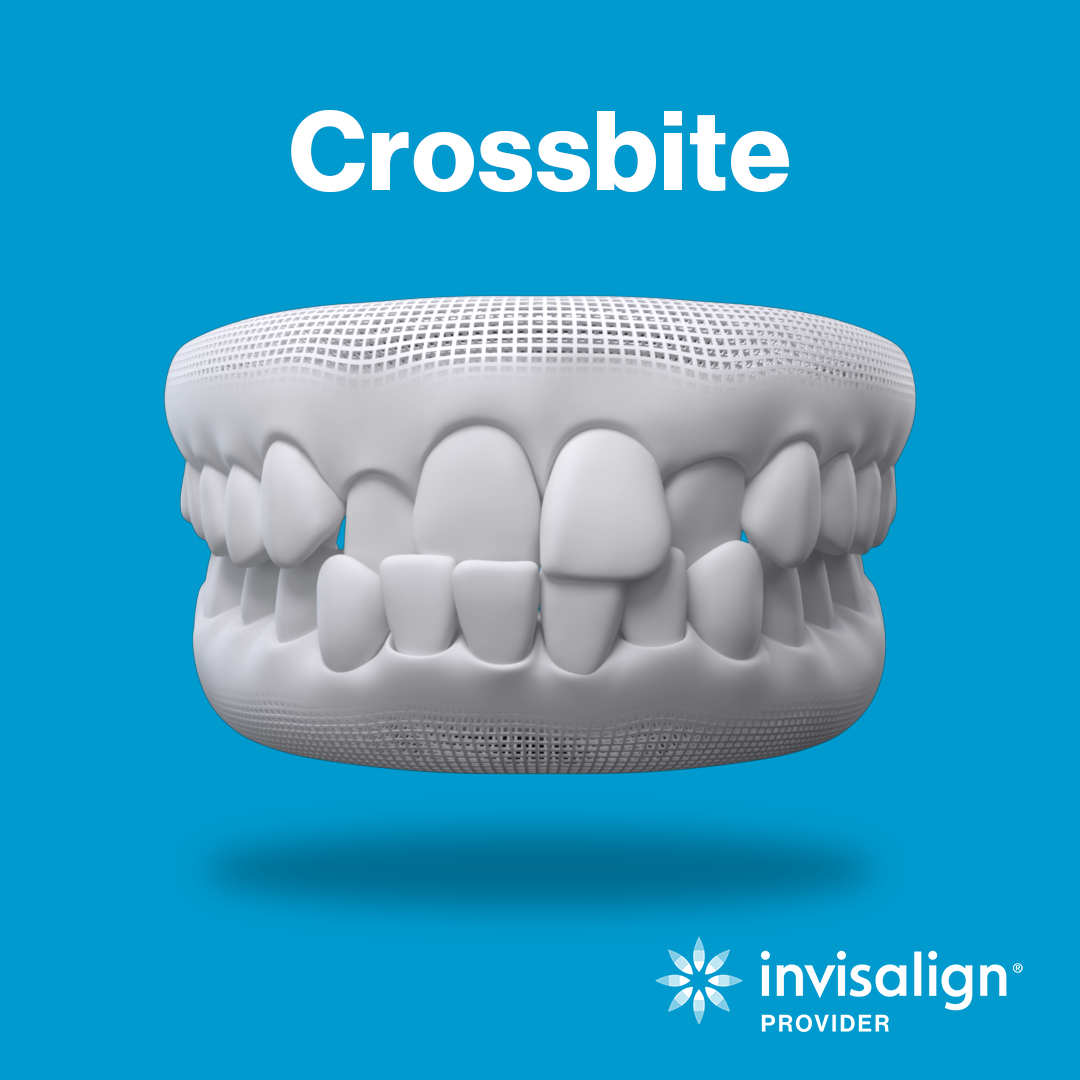
A crossbite occurs when some upper teeth bite inside the lower teeth rather than outside them. Some crossbites and other bite discrepancies can be treated with clear aligners, while more complex cases may require additional orthodontic procedures or a different treatment approach.
Teeth That Have Shifted After Braces
Teeth can shift after previous orthodontic treatment, particularly when retainers are not worn as directed. Invisalign may be an option for selected cases of orthodontic relapse, following an assessment of your current alignment and bite.
Who Is a Good Candidate for Invisalign?
Invisalign may be suitable for many adults and teenagers who want to improve their tooth alignment without traditional braces.
Your candidacy depends on several factors, including:
The position of your teeth and the complexity of the movements required.
Your bite and the relationship between your upper and lower jaws.
The health of your teeth and gums.
Existing crowns, bridges, implants or other dental restorations.
Your ability to wear removable aligners consistently as directed.
Your overall treatment goals and expectations.
Some patients with more complex orthodontic problems may benefit from treatment with an orthodontist or another approach. If Invisalign is not the best choice for your situation, we can discuss the options that may be appropriate.
The goal is to choose treatment based on your oral health and clinical needs, not simply on which appliance looks the least noticeable.
Benefits of Invisalign Clear Aligners
A Discreet Appearance
Invisalign aligners are made from clear plastic and are designed to be less noticeable than traditional metal braces. They may appeal to adults and teens who prefer a more discreet orthodontic option.
Removable for Eating and Cleaning
You can remove your aligners for meals and for brushing and flossing. This allows you to maintain your usual oral hygiene routine without working around fixed brackets and wires.
No Traditional Brackets or Wires
Because Invisalign uses removable aligners, it avoids the brackets and wires used in conventional braces. You may still experience temporary pressure, tenderness or irritation as your teeth adjust.
Digital Treatment Planning
Digital scans can help create a three-dimensional model of your teeth for treatment planning. Depending on the system and your case, a digital simulation may help you visualize the planned tooth movements.
A Treatment Plan Designed Around Your Smile
Every patient's teeth and bite are different. Your treatment plan should account for your individual alignment concerns, oral health, expected tooth movements and long-term retention needs.
Your Invisalign Treatment Process
1. Consultation and Dental Examination
Your first step is a consultation with Dr. Heidi Sprowls. We will discuss the changes you would like to make to your smile and evaluate your teeth, gums and bite.
This assessment helps determine whether Invisalign is appropriate for your needs and whether any dental treatment should be completed before orthodontic treatment begins.
2. Digital Scanning
Our office uses iTero digital scanning technology to create detailed digital impressions for appropriate treatments, including Invisalign.
The scan provides a digital model of your teeth that can be used in developing your treatment plan. It also avoids the need for conventional impression material in cases where digital scanning is suitable.
3. Personalized Treatment Planning
Your digital records are used to plan the sequence of tooth movements. The plan will depend on your starting alignment, bite, treatment goals and clinical requirements.
We will explain the proposed approach and expected timeline, along with any limitations or additional procedures that may be necessary.
4. Receiving Your Custom Aligners
Once your treatment plan is finalized and your aligners are available, we will explain how to insert, remove and care for them.
You will receive instructions about how long to wear each set and when to change to the next aligner. Follow the schedule prescribed for your individual case.
5. Wearing Your Aligners and Attending Checkups
Invisalign generally requires consistent daily wear, commonly around 20 to 22 hours per day, unless your treating provider gives you different instructions.
Remove the aligners for meals and for drinks other than water. Clean your teeth before putting them back in whenever possible, and keep the aligners clean according to your care instructions.
Periodic appointments allow us to monitor your progress, assess how your teeth are tracking and make changes to your treatment plan if needed.
6. Retainers After Treatment
Once your active orthodontic treatment is complete, retainers help maintain the positions of your teeth.
Teeth can shift throughout life, even after successful orthodontic treatment. Wearing your retainers as directed and attending routine dental visits are important parts of protecting your results.
How Long Does Invisalign Take?
Invisalign treatment time varies according to the complexity of your case, the amount of tooth movement required, your response to treatment and how consistently you wear your aligners.
Some straightforward cases can be completed in several months, while comprehensive treatment may take a year or longer. More complex cases can require additional time and refinement aligners.
Your individual timeline will be discussed after your examination and treatment planning. It is better to establish a realistic estimate for your particular case than to promise a standard treatment duration for every patient.
Invisalign for Adults
It is not too late to explore orthodontic treatment as an adult. Many adults consider Invisalign because they want to improve their alignment without the appearance of traditional braces.
You may be interested in treatment because of crowding, spacing, shifting after previous braces or concerns about how your teeth fit together.
Before treatment, we will evaluate your gum health, existing dental work, bite and overall oral health. These factors are important when planning orthodontic treatment for adults.
Clear aligners can fit into many adult lifestyles, but successful treatment requires consistent wear and regular monitoring.
Invisalign for Teenagers
Invisalign may be an option for selected teenagers whose permanent teeth and orthodontic needs are appropriate for clear aligner treatment.
Because aligners are removable, teens need to understand their responsibilities, including wearing them for the prescribed number of hours, keeping them clean and bringing them to appointments.
Parents and teenagers can discuss treatment goals, school and sports activities, daily routines and the importance of compliance during the consultation.
Your dentist will evaluate whether Invisalign or another orthodontic treatment is best suited to your teenager's developing bite and dental needs.
Invisalign vs. Traditional Braces
Both Invisalign and traditional braces can straighten teeth, but they work differently and have different advantages and limitations.
Invisalign clear aligners are removable, relatively discreet and convenient for eating and cleaning. Their success depends heavily on wearing them as directed, and some tooth movements may be better managed with other orthodontic methods.
Traditional braces use brackets and wires attached to the teeth. They remain in place throughout treatment and can be useful for a wide range of complex tooth movements and bite corrections.
The right option depends on your clinical needs, preferences and ability to follow the treatment plan. During your consultation, we can discuss whether Invisalign is appropriate or whether you should consider a referral for comprehensive orthodontic care.






Frequently Asked Questions About Invisalign
Is Invisalign painful?
You may feel pressure or temporary soreness when beginning a new set of aligners. This is a common part of tooth movement, although the level of discomfort varies. Contact your dental provider if you experience significant or persistent pain.
How many hours a day should I wear Invisalign?
Many treatment plans require approximately 20 to 22 hours of daily wear. Your provider will give you instructions specific to your case. Wearing aligners for less time than prescribed may affect your progress.
Can I eat with Invisalign in?
Aligners are generally removed for meals and for drinks other than water. Follow your provider's instructions for cleaning your teeth and aligners before putting them back in.
Can Invisalign fix an overbite or crossbite?
Invisalign can correct certain overbites, crossbites and other bite problems. Suitability depends on the severity and cause of the problem, so an examination is necessary.
How much does Invisalign cost?
The price varies depending on your treatment needs and the complexity of your case. Our team can review your proposed treatment, estimated fees and applicable insurance benefits during your consultation.
Will I need a retainer after Invisalign?
Yes. Retainers are an important part of maintaining your results after active treatment. Your provider will explain the appropriate type of retainer and how often to wear it.
What happens if my teeth do not move as planned?
Your provider will assess your progress and determine whether changes to the treatment plan or additional aligners are needed. This is one reason regular checkups and consistent aligner wear are important.
Is Invisalign right for everyone?
No. Invisalign is suitable for many patients, but some alignment and bite problems require different or more comprehensive orthodontic treatment. A personalized examination is the best way to determine your options.
Schedule an Invisalign Consultation in Centerville, OH
If you are considering Invisalign, the first step is learning which treatment options are appropriate for your teeth and bite.
At Heidi Sprowls, DDS, we provide personalized dental care for patients in Centerville, Dayton and nearby communities. Our team can discuss your smile goals, evaluate your oral health and explain the next steps in planning clear aligner treatment.
Call our office at 937-434-1151 or contact us online to schedule an Invisalign consultation.
Heidi Sprowls, DDS
7083 Corporate Way
Centerville, OH 45459
Phone: 937-434-1151
How Much Does Invisalign Cost in Centerville, Ohio?
The cost of Invisalign depends on the complexity of your case, the scope of treatment, the anticipated duration and the treatment plan recommended for you.
At Heidi Sprowls, DDS, we want you to understand your financial options before making a decision. During your consultation, our team can explain the proposed treatment, review the estimated fees and help you understand how your dental benefits may apply.
Some dental plans include orthodontic benefits that may contribute toward eligible Invisalign treatment. Coverage varies by plan, and benefits should be verified before treatment begins.
Ask our team about available payment options and whether CareCredit or other financing arrangements may be appropriate for your situation.
If you have seen an advertised price or special offer, please contact our office to confirm current pricing, eligibility and terms.
See Invisalign Before-and-After Results
Every smile is different, and the results of orthodontic treatment depend on the starting condition, treatment plan and individual response.
We invite you to explore our Invisalign before-and-after gallery to see examples of cases treated at our practice.
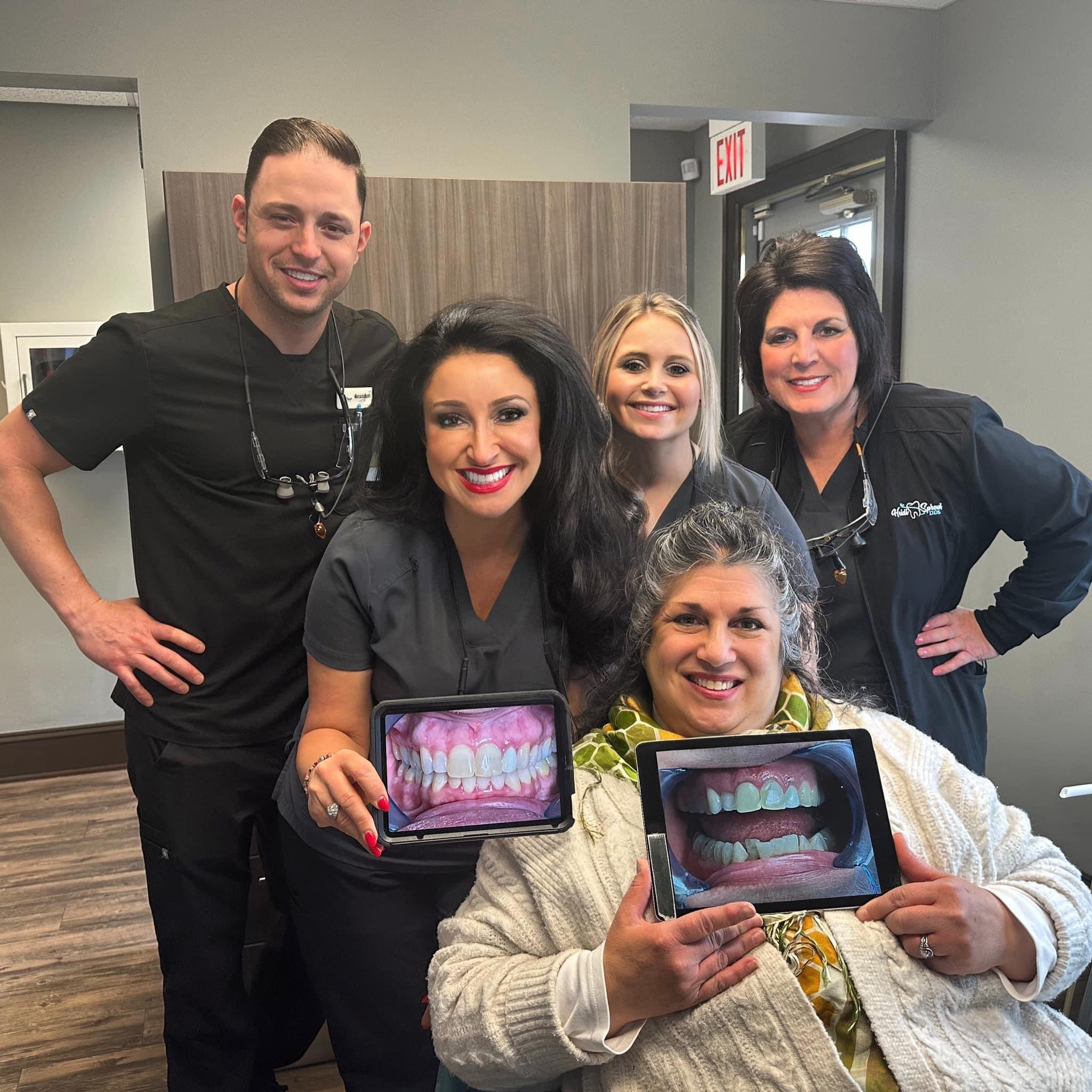
These photographs can help you understand the types of alignment concerns that may be addressed with clear aligners. They are examples of individual treatment outcomes and do not guarantee that another patient will achieve identical results.
When reviewing cases, consider the original alignment, the type of correction performed and the importance of wearing retainers after treatment.